
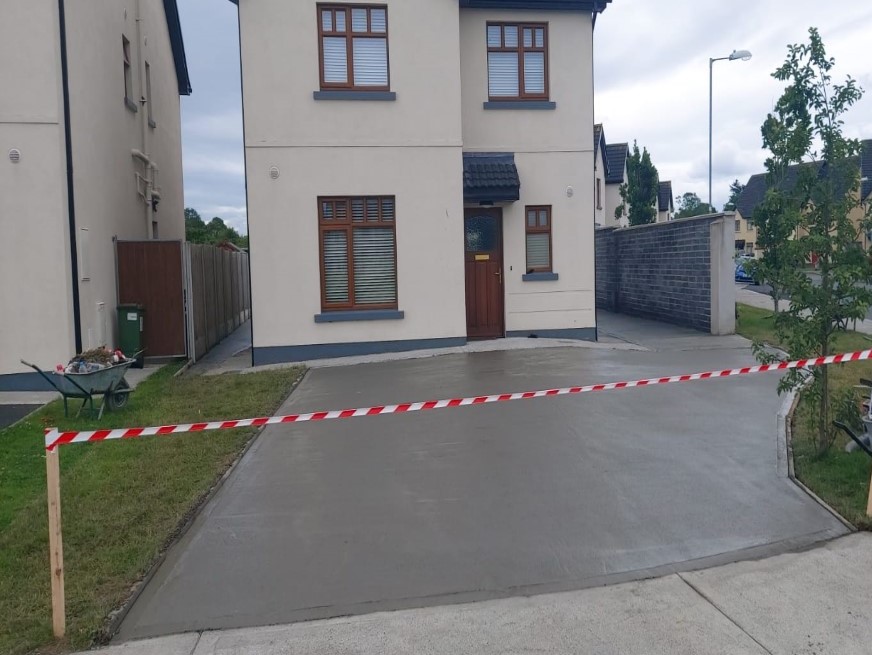

Proper base preparation forms the foundation of any long-lasting concrete driveway. In Stockport’s variable climate and clay-heavy soils, the groundwork phase determines whether your driveway will crack, settle, or remain stable for decades.
The excavation process typically requires removing between 200mm to 300mm of existing soil and vegetation. This depth accounts for the concrete slab thickness plus the essential sub-base layer that provides stability and drainage.
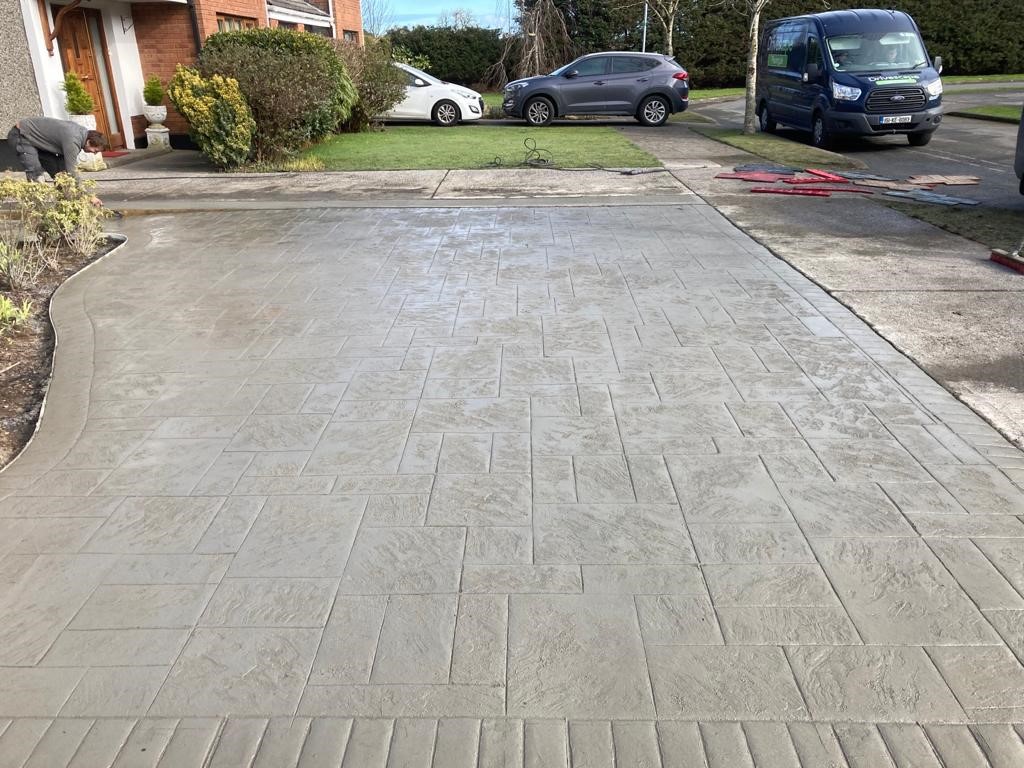
Essential Base Layers for Stockport Conditions
A properly constructed base consists of multiple layers, each serving a specific purpose:
- Type 1 MOT limestone aggregate (100-150mm thick)
- Sharp sand blinding layer (25-50mm)
- DPM (damp proof membrane) plastic sheeting
- Concrete slab (100-150mm for domestic use)
Getting these layers installed correctly requires specialist knowledge and equipment to ensure proper compaction and levels throughout.
Soil Considerations in Stockport
Stockport’s clay-rich soil expands when wet and contracts during dry periods. This movement can crack concrete slabs without adequate base preparation.
The MOT Type 1 aggregate base prevents clay movement from affecting the concrete above. Proper compaction using a vibrating plate or roller ensures the aggregate locks together to form a stable platform.
Drainage and Membrane Installation
Installing land drains around the excavated area prevents water from pooling beneath the concrete. French drains filled with gravel channel water away from the driveway structure.
The damp proof membrane sits between the sand blinding layer and concrete. This plastic sheeting prevents ground moisture from rising through the slab and causing surface problems.
Cost Implications of Base Preparation
Base preparation typically accounts for 40 to 50 percent of the total concrete driveway cost. However, cutting corners at this stage leads to expensive repairs within a few years.
Expect to pay between £15 to £25 per square metre for professional excavation and base installation in the Stockport area, depending on access and soil conditions. Remember that you may also need to consider dropped kerb requirements for your new driveway.